Like all churches, we welcome every person who comes through our door each Sunday. Communicant members, regular worshippers, newcomers greet each other. We are excited to see each other in the house of God.
For many years, I’ve been a member of our church’s welcome ministry team. There are some 22 of us. Church folks see us at work every Sunday, walking up to visitors and newcomers during announcements, and then chatting with them over tea and snacks.
This is the portion of our work that is visible. But there’s another part that people don’t see.
When I asked a few welcome ministry friends to come for a Zoom chat, everybody said yes. We all wanted to hear how we’d been doing, exchange stories, and learn from each other. I said I would be the moderator and writer, but everybody was allowed to lead the talk in any way that would help our readers get a glimpse of our work and joy.
Nothing makes a newcomer comfortable like meeting someone who’s like him.
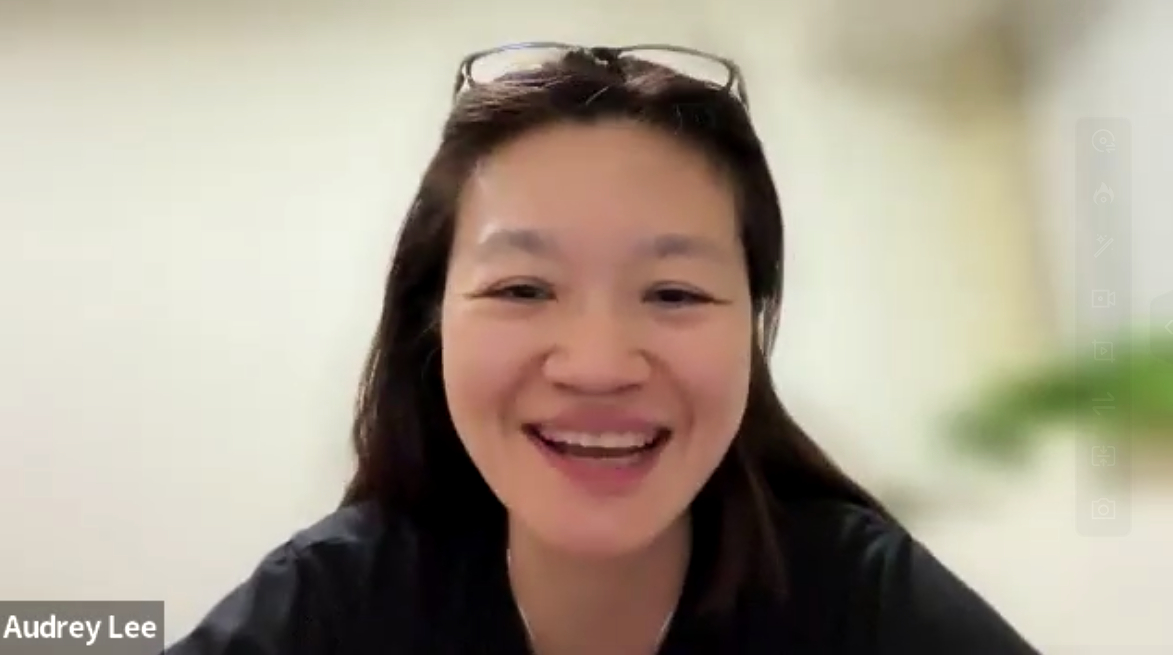
Audrey: To be honest, I don’t really know. We’re told often enough that we should be welcoming. Everyone in the church is urged to welcome newcomers. We’re asked to reach out to people we’ve seen often but not properly met. Some church people are very friendly, I guess. It’s not performative for them. Other people are shy. Chung Horn: You can’t scold people for being shy. But in every congregation, there’ll be people who say, “Let the welcome team do it, I’m not good talking to strangers.” Some people may think, “I have a lunch date at 1.15pm, I can’t get stuck talking to somebody.” Also, I’m pretty sure there’ll be people who’d think, “Actually, I only come to church once in five or six Sundays. I honestly don’t know if somebody is new or whether she has been in our church for ten years! There’s no way I’m going to embarrass myself or her by saying ‘Welcome!’” Say Tiong: Those of us who have been here for a long time know that in church you can’t force people to do things. But we can certainly encourage them. We can pray for people to take small steps. I believe welcoming people is for everyone. In the last several years, I’m seeing people reach out in the pews to shake hands with newcomers who’ve raised their hands. I’m seeing people turn around to smile and chat. This is happening consistently. Richard: Welcome should be part of our culture.
The one thing most people want is community. They want to belong.
Say Tiong: Well, he or she has to be comfortable meeting people and talking to people. At its most basic level, that’s the job. We provide some training, you get paired up with a more experienced team member, you learn as you go. You’re going to be spending time with people you’ve never met. You can’t just say hi, wait for the visitor to fill his newcomer form, make small talk, and then try to leave quickly. The work is more than that. It will help you if you’re good at putting people at ease. Some people in our welcome teams are veterans, they genuinely like to look after newcomers, and they’ve done this work for many years. They’re warm and genuine people and they understand the pastoral dimension of their work. Richard: I like meeting people. I always try to introduce the newcomer to church pastors and church elders. Visitors are happy to get introduced even if they haven’t come looking for help, counsel or prayer. You can always find a pastor or elder in the events hall, or in the sanctuary. Audrey: We often meet young couples in their twenties or thirties. They have come because they are looking for a church. They may have just moved into the area. They may be planning to get married. Chung Horn: Sometimes they come because they want a Sunday school for their children. Children are always an important priority with people. I’ve also met people who come because their churches are undergoing repairs and renovations. They don’t want to just stay home on Sundays till renovations are over. These are all good reasons we can be thankful for. Say Tiong: We have welcomed a family or two visiting from Brazil, a man from Canada, people from Taiwan, China and India. Richard: There was at least one Korean and one Japanese in the last five years, I think. Say Tiong: Like many congregations in Singapore, we’re becoming more cosmopolitan. Singapore is a global city. The question is: are we doing a good job looking after these people? Chung Horn: Visitors at our English services speak and understand English. Still, when I break into Bahasa Indonesia, Hokkien, Teochew, Mandarin or some poor French, I see faces light up. I guess speaking another person’s tongue breaks the ice. Languages push a new friendship across the bump. I think many of us have also met new seniors in their 60s who want to return to God. Sometimes they have a child in his 30s who has lost his way. Say Tiong, how many newcomers do we get on average on Sundays? Say Tiong: I’d say we have two to three newcomers per Sunday service. Richard: The number may be higher. Don’t forget, there’ll be new people who don’t want to identify themselves publicly, who don’t put their hands up. There are people who prefer to scan and use an online form. We don’t always get to welcome these folks. Say Tiong: The number goes up at special services like the baptism services at Easter and Christmas. Don’t forget the gospel Sundays and the lunar new year service. Audrey: From time to time, when the hands go up, we’d immediately see that we don’t have enough welcomers. I confess that sometimes I pray I won’t be on the roster for these more demanding special services! But I know I can ask our friendly ushers to step in and help us. Ushers find seats for people and they count heads. But they can help us get the forms out to new people in the pews.
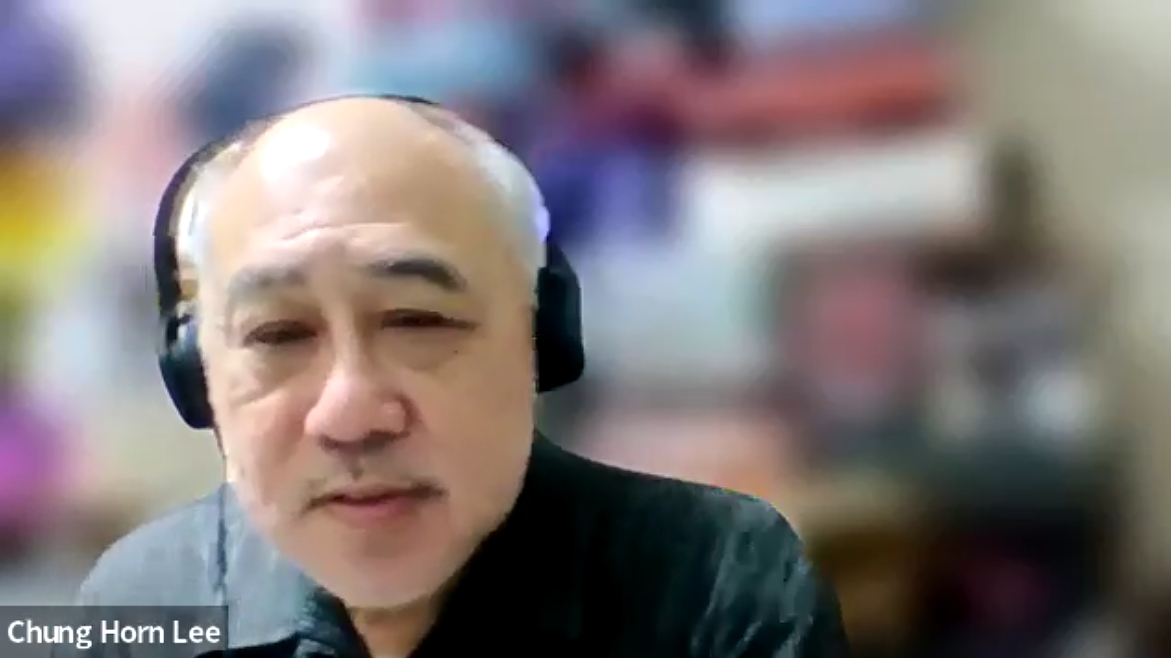
We pray that people will walk through our doors into a place where they could worship, lay their burdens down, and meet God.
One time, I ran so fast I fell in the middle aisle. Of course, everybody saw. Hopefully not the newcomer I was running to. Audrey: If the newcomer is a young person in his twenties, I will try to flag down a church member who’s also in his twenties. I will make introductions. Nothing makes a newcomer comfortable like meeting someone who’s like him. Imagine you are new and you’ve raised your hand and everyone is applauding and looking at you. If the welcome guy who comes to you is a man in a red tie who looks like he could be your father, is that a situation that would put you at ease? Chung Horn: Careful, now. Audrey: You know what I’m trying to say. So, I will be making informal connections. This is part of the job. And I have a good number of church friends in their twenties and thirties who will come and say hi and try to do something good with the visitor. Richard: When we bring the visitor or newcomer into the events hall for a drink, I think he or she gets a good glimpse of our community. I think it’s usually a good impression. Audrey: We’re pretty good at sizing people up quickly. If the new person has come because she’d been invited by one or several of our church members, who’re all grinning as we approach, we won’t separate the newcomer from her friends and hosts. There’s no good suggesting a cup of tea at the events hall when they’re ready for a big lunch at Alexandra Village. So we say, “We hope everything’s alright, and perhaps we’ll see you again, soon!” Other times, the person who brought the newcomer would be very happy to drink tea and eat cake with us. Richard: Anyone met an unusual visitor? Chung Horn: Once I was with two visitors, two non-Christian men in their late 60s. One man was a divorcee, I think. They were relaxed in the way older men often are. So there we were, three old men sipping tea. Then one of them asked: “I understand all churches want new people and new members. This way, they can get more money, right?” They weren’t teasing me, the church elder. They trusted me. I think they decided to let their guard down with me. They were experienced enough to see I was a good person for their question. I can’t remember what I said. Very likely, I said that it’s true that members and worshippers give financially. I said churches are charities, that they aren’t businesses. That we have governance and audit mechanisms. They didn’t wink at my answer. We continued in a good-natured way and they left. They didn’t return.

We try to take a photo or two and we eat community lunch together. Food brings people together. And we also always pray.
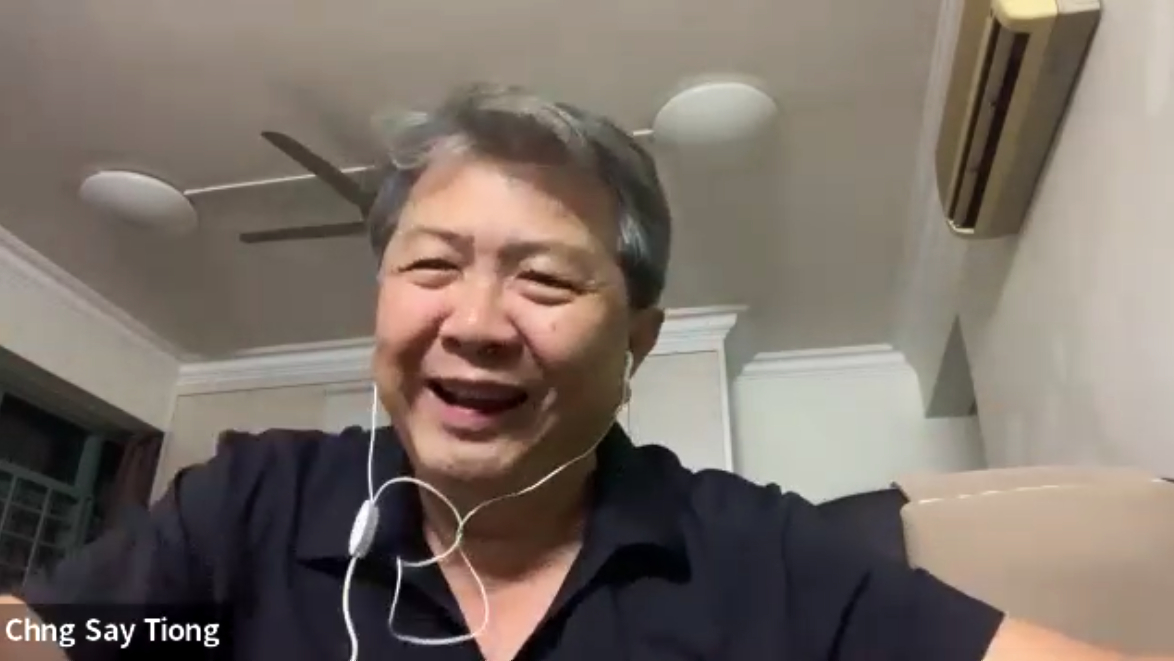
Eunice and Ka-Neng Au are Americans. Many of us know them. They’re very nice people. When they came to True Way, I took the initiative to say hi to them. They came to serve with OMF Singapore and today, they’ve become members of my DG. They’re very active in church. Then, there’s Calvin Li, a young man from New Jersey. I was one of the first welcomers to speak with him. I learned that he’d come to Singapore to study and hopefully find a job. Calvin was all alone in Singapore. I found out that his rent for his room was really high and well, we’re so glad we straightened that out. Now Calvin is a very quiet guy but I’ve watched him become an active member of our young adults’ group. I introduced him to Ka-Neng and Eunice, hoping they’d look out for him. They did, and last I heard, he’s helping out with IT work at OMF. Say Tiong: This is so inspiring, isn’t it? The one thing most people want is community. They want to belong. Chung Horn: Old timers like me and Say Tiong know True Way like the back of our hands. But not all visitors have come to church to ask what exactly Presbyterians believe, what is Sola Scriptura, or the turns in our history. People come because they’re looking for a church. It’s that simple. They’re wondering if they could find friends here. So they’re going to be interested to meet somebody who looks a bit like them. This is why we’re excited that we now have Ivan. Ivan, how old are you? Ivan: I’m 19. Chung Horn: And you’ve been doing welcome work with us for how long? Ivan: Just over one year. Chung Horn: Is it awkward for you speaking to newcomers who are old aunties and uncles in their 50s and 60s and 70s? Ivan: It can definitely be awkward but I always do my best. I attended a communications workshop and I have some tricks. I keep a script in my head. I ask questions like “Where do you come from? How did you find out about us? Why did you choose to attend today?”. And I will always try to pray a prayer with them. Also, my body language is so important. Since they’re our guests, I can’t look uninterested. I have to always have a certain level of energy for them to warm up to. And this warming up is reciprocal. Chung Horn: Has any one of the aunties tried to treat you as their son? Ivan: No way! That has never happened. I always try to behave like I’m an ambassador of the church. I think by being the face of True Way to them, that masks my age a bit.
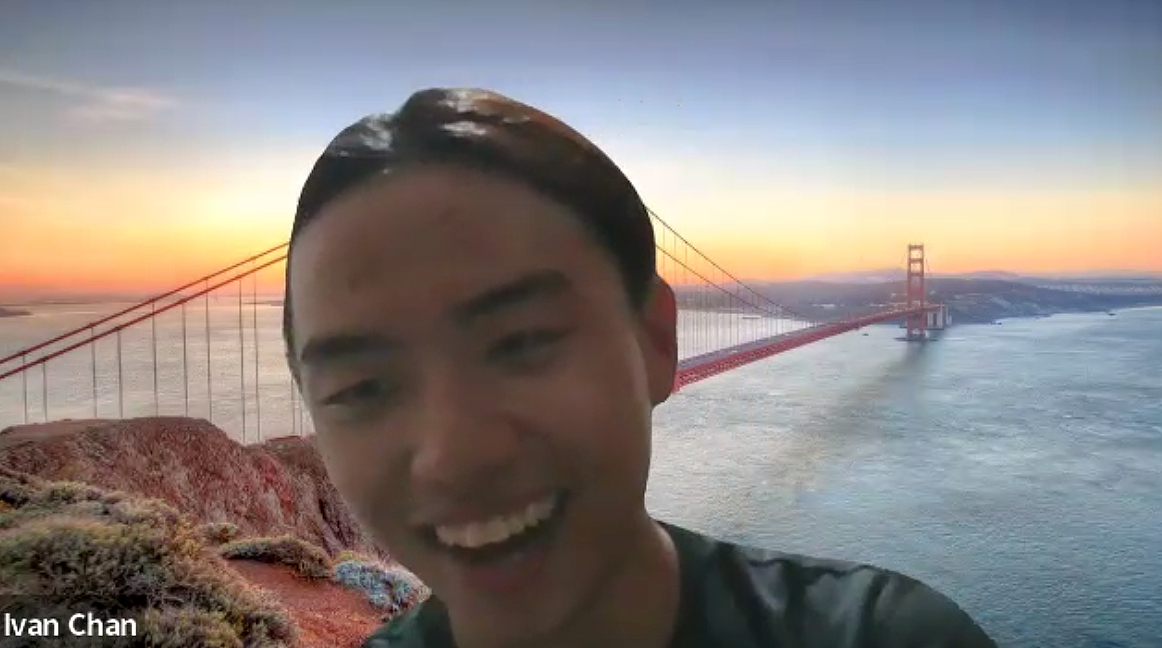
I always do my best. I have some tricks. I keep a script in my head.
Ivan: In my one year, I have only met one newcomer who’s my age, 19. I think young people these days will not walk into a church on their own. If they come, it’s usually because a friend has brought them. For us young people, peers are very important. We want to be part of a group. To be a lone ranger in an unfamiliar place is really hard for us. Also, there’s another reason why it’s hard to invite our friends to church. It’s because we’re scared they would think we’ve wasted their Sunday morning. Richard: I guess we were all young before. But teens do have it harder now. Ivan: If we invite our friends, it is mostly to YZ, or YZ events. We don’t ask them to come to the main service because it’s not what teens are used to. Chung Horn: I asked Pastor Charles if there’s a welcome team at YZ, or ushers, and he says no. Ivan. No, I think there’s no need. We would think it’s weird.
Audrey: I don’t know what you mean. Chung Horn: Would a woman visitor who’s come to True Way for the first time prefer to chat with a woman welcomer? Would you talk to a male newcomer differently from a female newcomer? Audrey: I think, and this is speaking for myself, I’d be comfortable welcoming a man. There will be men who will be comfortable talking to me, a woman. Some men may be awkward because, well, they may have backgrounds or experiences that may make them more comfortable talking with a man. In the same way, there will be women visitors who will relate more easily if a woman walks up to say, “Hi, glad you are here today! Come, do you have 15 minutes for a cup of tea?” Say Tiong: That sounds right. Audrey: Still, I think matching for age is more important than matching for gender. This means match an older visitor with a more mature welcomer, and let the young meet the young. The gender difference is, I think, easier to bridge. Chung Horn: Our doors are open every Sunday. We pray that people will walk through these doors into a place where they could worship, lay their burdens down, and meet God. On Sunday, we welcome people who have been our friends for decades, whom we know will never leave us. We most certainly welcome strangers who will only come one Sunday and never again. We want to be true to the Biblical mandate to particularly welcome foreigners, immigrants, people who are poorer than we, who may have come with real needs. This has happened before, but how does that happen? Say Tiong: Yes, we have welcomed and hosted foreign migrant workers. They are a special group. But like all of us, they are deserving of welcome. Let’s remember they’re made in God’s image. They come quietly, sit quietly, and leave quietly. Jesus said to his disciples, “Anyone who welcomes you welcomes me, and anyone who welcomes me welcomes the one who sent me.” That’s in Matthew 10. Richard: A few of these foreign workers are Christians but many of them are Muslims. Some of them are students in Singapore. They’re young, they’ve left their dad and mom to come learn a trade. If they get a Singapore diploma in, say, F & B, this could be a ticket to a better life when they go home. Their stories can be complicated. Through our work, we now know quite a bit about visas, permits, housing, government rules and jobs. Chung Horn: I’m thinking that the men in our teams would be better with foreign migrant workers than our women welcomers. What do you think? Do we give money if there is a request? Say Tiong: Yes, I think our men will handle these encounters better. Chung Horn: I have given one or two foreign men $50. Say Tiong: Our welcome team members are not obliged to give financial assistance. From time to time, these cases get referred to our social concern committee.
Thirty years ago, it was really just saying “Hi, did you enjoy the service?” and “I’m glad you came today, see you next Sunday!”. Now our hope is, wherever possible, to start friendships and understand personal histories. We want to connect with people, praying that we might finally plant them in a community that will encourage and love them. Richard: Personally, I have been blessed serving in the welcome ministry. It’s a satisfying work that has grown and grown. Like a mustard tree giving shelter, if you like. We’re still saying hello in the pews but we now also ask people if they’d like coffee, and would they like a tour? We try to take a photo or two - most people are happy to pose – and we eat community lunch together. Food brings people together. We also always pray.
"You have such a big heart for people."
Say Tiong: We ask our teams to stay in touch with their newcomer friends for a few weeks. You are responsible for the new people you meet. There’s also the bi-monthly special newcomers’ lunch where leaders and newcomers come together to eat and talk. Chung Horn: Do you think our welcomers will continue to run the race? Say Tiong: We all start somewhere. We’ll all end somewhere. I’m just so thankful for every person in our team. Every one of us is different. Chu Lan, Audrey, Lay Suan are always on the lookout for potential recruits. Every one of us in this work knows there’s a sacrifice to make, but we all know in our hearts that the work is deep and honours God, and that it will grow. Chung Horn: Ivan, the last question is for you. In the time that you’ve been with us, what have you learned? Ivan: Well, I have learned more about myself. I’ve learned a lot about all of you, and from all of you. I’ve seen what you do, and reading your discussions and long follow-up messages just makes me respect you. I’ve not met many people who are hardworking like you. The migrant worker thread that you guys posted made me realise you have such a big heart for people.
Lee Chung Horn is a church elder and medical doctor. He is editor-in-chief of TOGETHER.
He took all the photos.
Editor-in-chief Lee Chung Horn • Subeditors/writers Joyce Peh, Soh Lay Bin, Michelle Cheong, Kevin Chua, Jakin Heng, Gracia Lee, Yang Hai Kun • Photographers Ang Li Yan, William Neo, Jimmy Ang, Ronnie Koh, Erick Kencana, Jethro Fernandez, Ho Wenxuan (intern)• Design Tony Cheung, Daniel Lim.
TOGETHER is produced up to three times a year. Current and previous issues of TOGETHER are available at trueway.org.sg/newsletters.